According to HousingWire, homebuilders across the country are facing a significant crisis as immigration enforcement operations have disrupted job sites and created fear among workers. The residential construction industry has been struggling with a shortage of skilled labor since the mid-2000s, and officials estimate the industry needs to bring on roughly 723,000 workers annually just to meet current demand and close the existing gap. Foreign-born workers have become essential to keeping projects moving, representing about one in four construction workers on residential job sites, though many in the industry believe that official count understates their true contribution.
The recent surge in immigration enforcement and raids this summer has made the situation considerably worse. Not only have crews been disrupted by enforcement actions, but legal workers have also become fearful, further shrinking an already stretched labor pool. For some builders, especially in certain markets, this enforcement activity has become an existential threat to their ability to complete homes and manage their business operations and loan obligations.
Concerned about these impacts, more than 1,100 homebuilders and industry leaders gathered for the NAHB's legislative conference in June to push for immigration reform that would create a legal pathway for undocumented workers while strengthening border security. They emphasized that enforcement tactics should not harm workers who are legally authorized to work in the United States. Industry leaders also recognized that immigration reform alone will not solve their workforce problem, so they're simultaneously advocating for expanded apprenticeships, trade education funding, and other domestic workforce development initiatives.
The industry has thrown its support behind the Dignity Act, a bipartisan proposal that would allow undocumented workers who arrived before the end of 2020 to remain in the country legally and continue working without offering a path to citizenship. According to NAHB leadership, this represents the best bipartisan compromise available, addressing both border security concerns and the construction industry's pressing workforce needs. Workers granted status under the bill would need to pass background checks, pay back taxes, and contribute to a worker training fund.
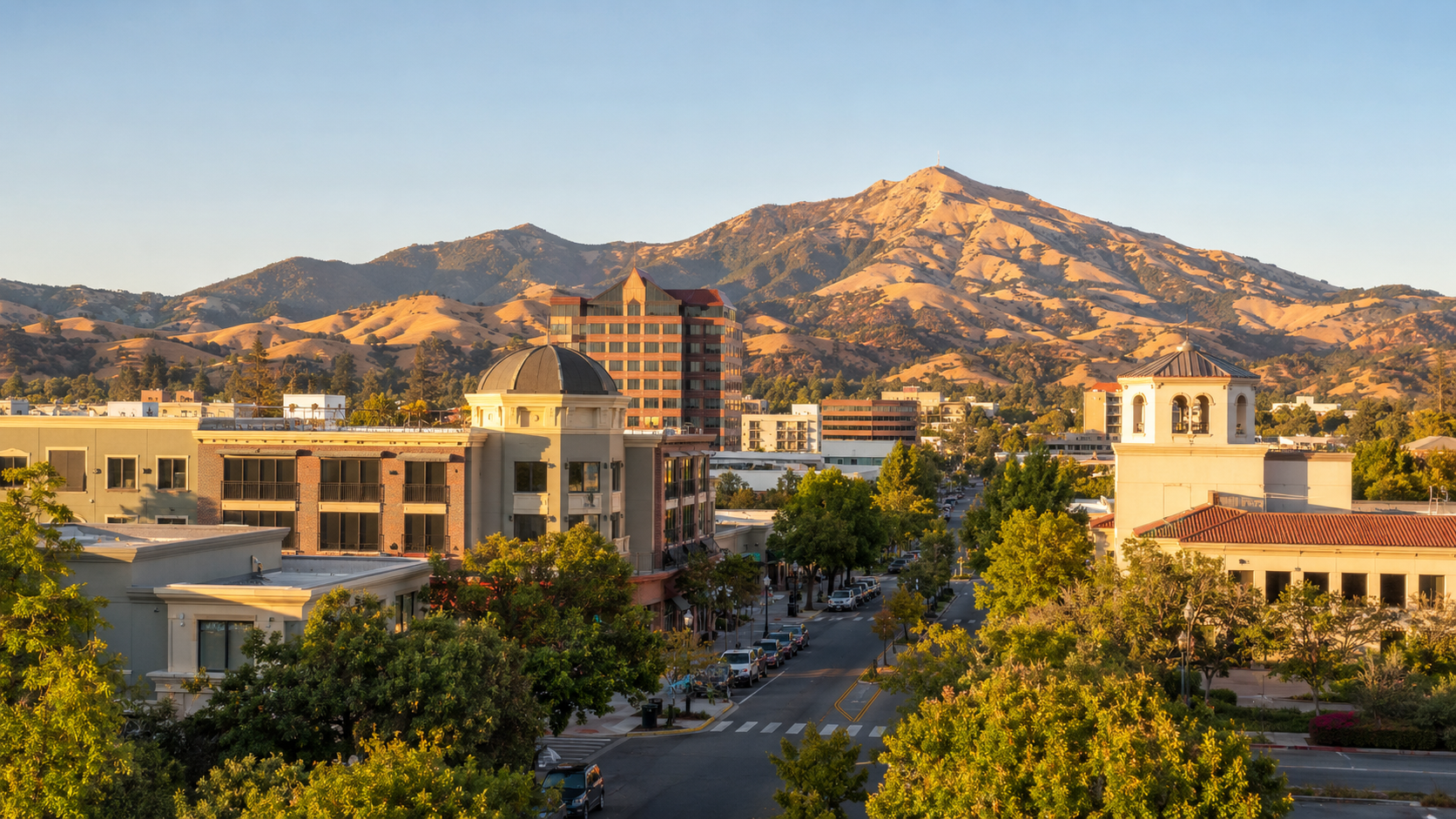
What I'm seeing locally in the Bay Area and East Bay is that this enforcement pressure is compounding challenges that were already making it harder for builders to get projects done on time and on budget. When you lose skilled trades workers to enforcement actions or fear, it creates real delays and cost pressures that ultimately affect buyers and sellers in our market. The reality is that construction depends on a reliable workforce, and without some kind of resolution on the immigration and labor training fronts, we're going to continue seeing project delays and housing supply constraints that keep pushing prices higher for everyone trying to buy or sell in our region.