Look, according to HousingWire and the National Association of Realtors, we saw existing home sales dip in August. The market hit about three point ninety-eight million homes on an annualized basis, which was down two percent from the previous month. Year over year the picture is similar, with sales down just over one percent. The last time sales fell below that four million mark was back in June of last year, so we're talking about a noticeable slowdown.
What's interesting on the inventory side is that we're seeing supply build up. There were one point sixty-two million homes available at month's end, up from the prior month and also up compared to where we were a year ago. This is significant because it's the first time since November of 2019 that inventory has topped that one point six million threshold. With more homes on the market, buyers are getting roughly four point nine months of supply to work with, which is the highest level in over a decade.
The median sales price still climbed, coming in at four hundred twenty-nine thousand dollars and up about one point six percent year over year. This marks the thirty-eighth straight month of price increases when comparing year to year. Affordability metrics actually improved across the board, and first-time buyers made up thirty percent of the market in August, which was up from July and also up from where we were a year ago.
Now, the data does suggest some softening. Pending home sales were down two point eight percent compared to the previous week, and more than forty-two percent of properties are seeing price reductions, which is higher than the normal thirty to thirty-five percent range we typically see. The average time on market stretched to thirty-one days, up from the month before.
NAR's chief economist attributed the dip in sales activity to higher mortgage rates, but he also pointed out that wage growth running at three point one percent and over six hundred thousand new jobs added since the start of the year are supporting housing demand. Industry leaders like the Coldwell Banker CEO are optimistic about the fall, noting that less competition combined with more inventory could present opportunities for buyers who have been waiting.
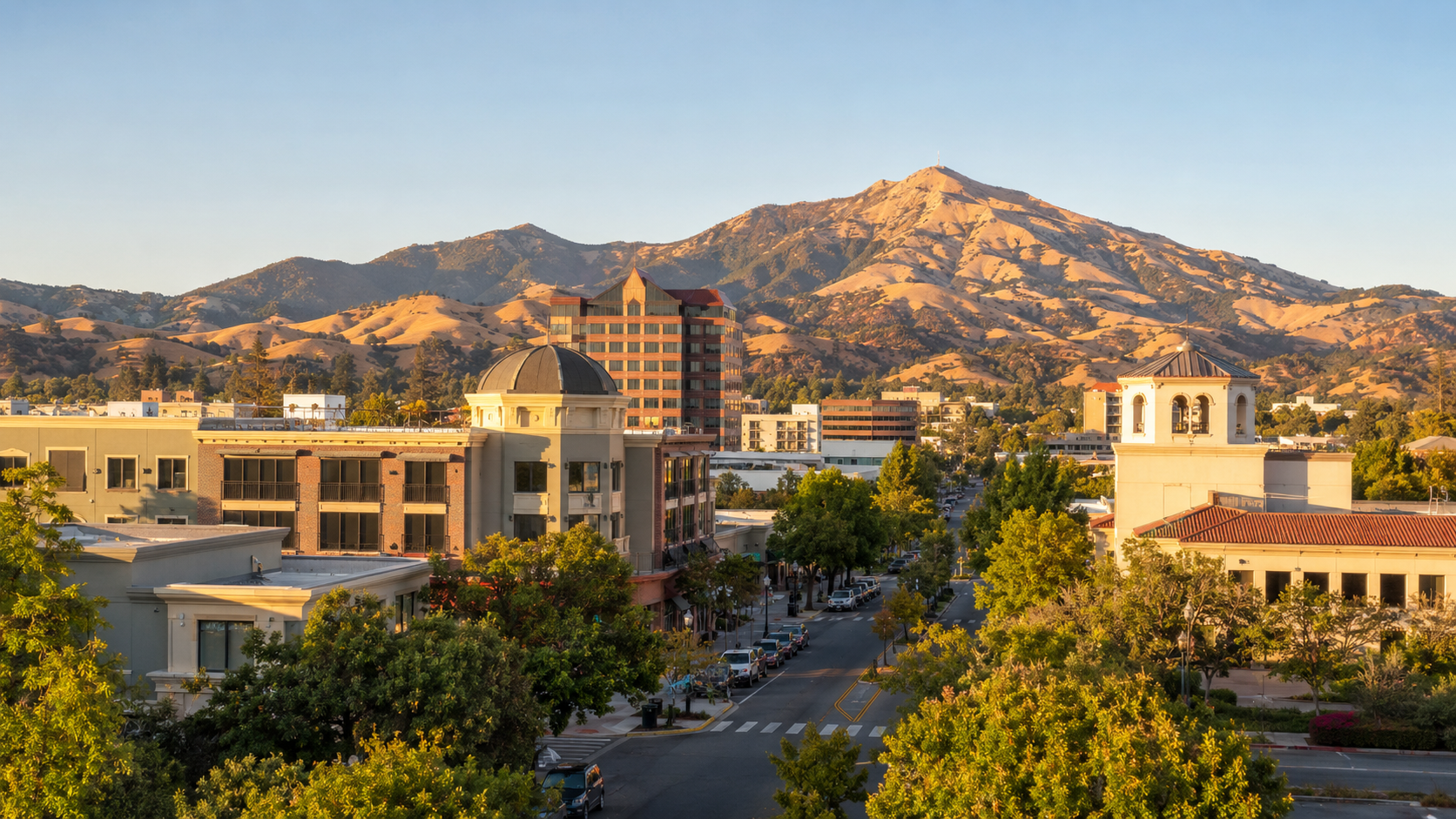
What I am seeing locally here in the Bay Area and East Bay is that this national story is playing out in our own backyard. Buyers who have been priced out or sitting on the sidelines have more breathing room now, and sellers are becoming more realistic about where the market actually is. For anyone in Fremont or throughout the region who has been considering a move, the combination of better inventory levels and more negotiating power is something worth paying attention to as we head into the fall months.
