According to Realtor.com Research, the national rental market continues to soften, but we're seeing the slowdown happen at a slower pace than before. In September 2026, median asking rent for studios, one-bedroom, and two-bedroom units across the fifty largest metro areas dropped just 0.4% year over year, bringing the national median to $1,694. While that might not sound like much, this marks the slowest rate of decline we've seen since August 2023. It's been thirty-eight consecutive months of year-over-year rent declines, which tells me renters are finally getting some breathing room after years of tight conditions.
The picture gets more interesting when you look at what's happening beneath the surface. Rents are still running significantly higher than they were before the pandemic, but they've pulled back from their peaks in 2022. Studios, one-bedroom units, and two-bedroom units have all retreated about four to five percent from their highs. More importantly, nearly forty-four percent of rental listings across these major metros are offering concessions like free months or reduced rates, up from the year before. That's real money back in renters' pockets when you're negotiating a lease.
The Realtor.com team expects this modest relief to continue into the rest of 2026, largely because we still have a surge of new apartment buildings coming online from construction projects started in recent years. They're being cautious about reading too much into the slowing decline, though. Renters remain hesitant about homeownership prospects, and starter homes are still pricier to buy than to rent, so demand for rentals isn't cooling off anytime soon.
What's particularly striking is how the market is splitting into very different stories across the country. In Sun Belt markets like Austin, Oklahoma City, and Phoenix, rents are still declining year over year, but the pace is slowing considerably because new construction is finally leveling off. Meanwhile, cities like St. Louis, Minneapolis, and Las Vegas are seeing rents actually rise because they're attracting renters priced out of expensive nearby metros like Chicago, Los Angeles, and Washington D.C.
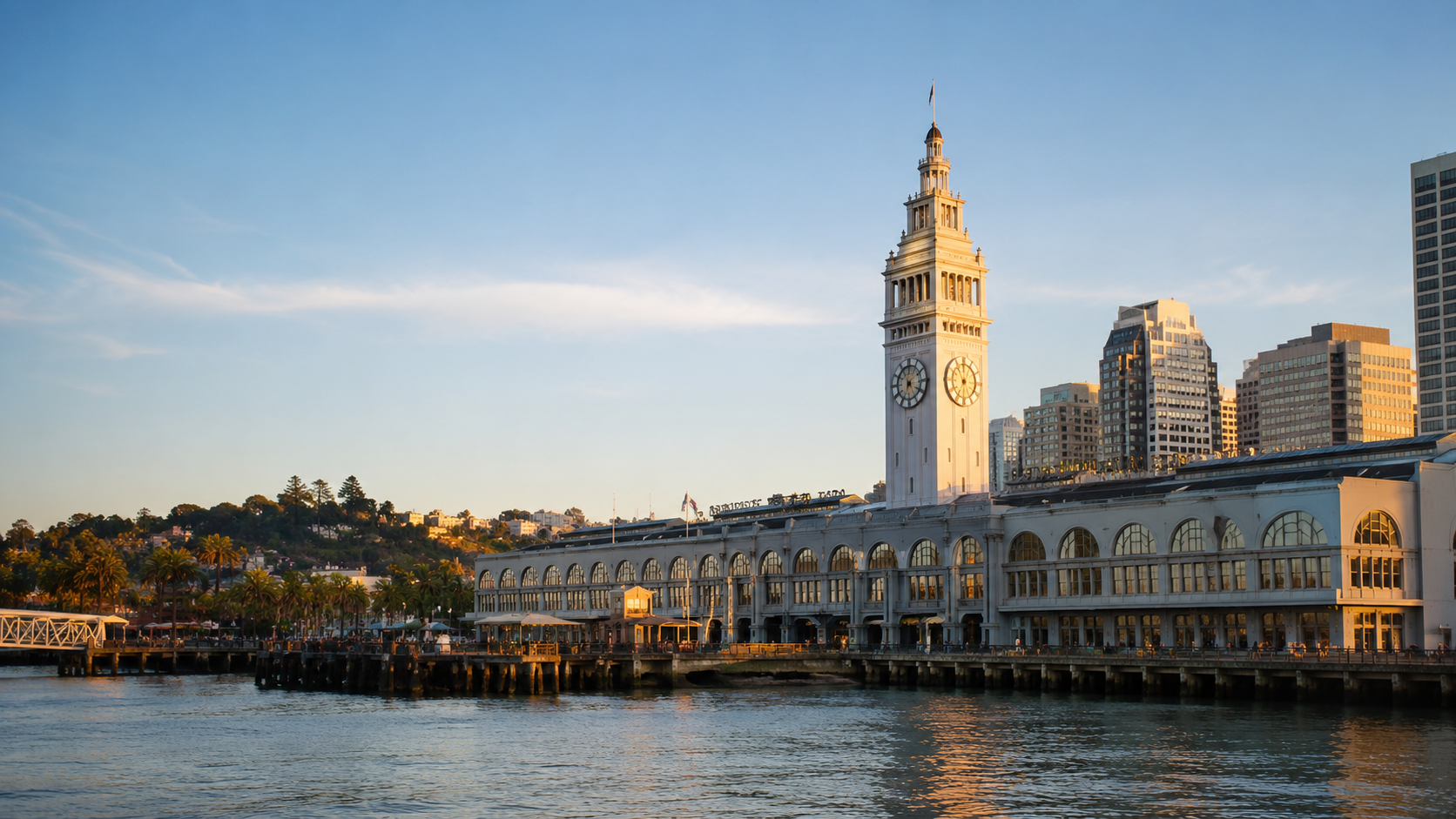
Then there's Detroit, which showed the biggest shift, moving from heavy declines to near-flat territory. That market is getting hit by the perfect storm of reduced vacancy, people fleeing expensive regions, and major AI data center investment bringing jobs to the area. San Jose and San Francisco are their own animal entirely. According to Realtor.com, San Jose rents jumped six percent year over year to reach a record $3,565, while San Francisco climbed 4.8 percent. The surge is being driven by young professionals moving to the Bay Area for AI and tech opportunities.
What I am seeing locally connects directly to this national story. The AI boom we're experiencing is reshaping our rental landscape, with San Jose hitting new highs and San Francisco bouncing back to near its pandemic peak. At the same time, we're benefiting from that broader affordability conversation happening nationally, where people are recognizing that the East Bay and parts of the South Bay still offer better value than many competing tech hubs. The fact that concession rates have dropped dramatically in our region while they're rising elsewhere tells me demand is genuine and landlords have real pricing power right now.
