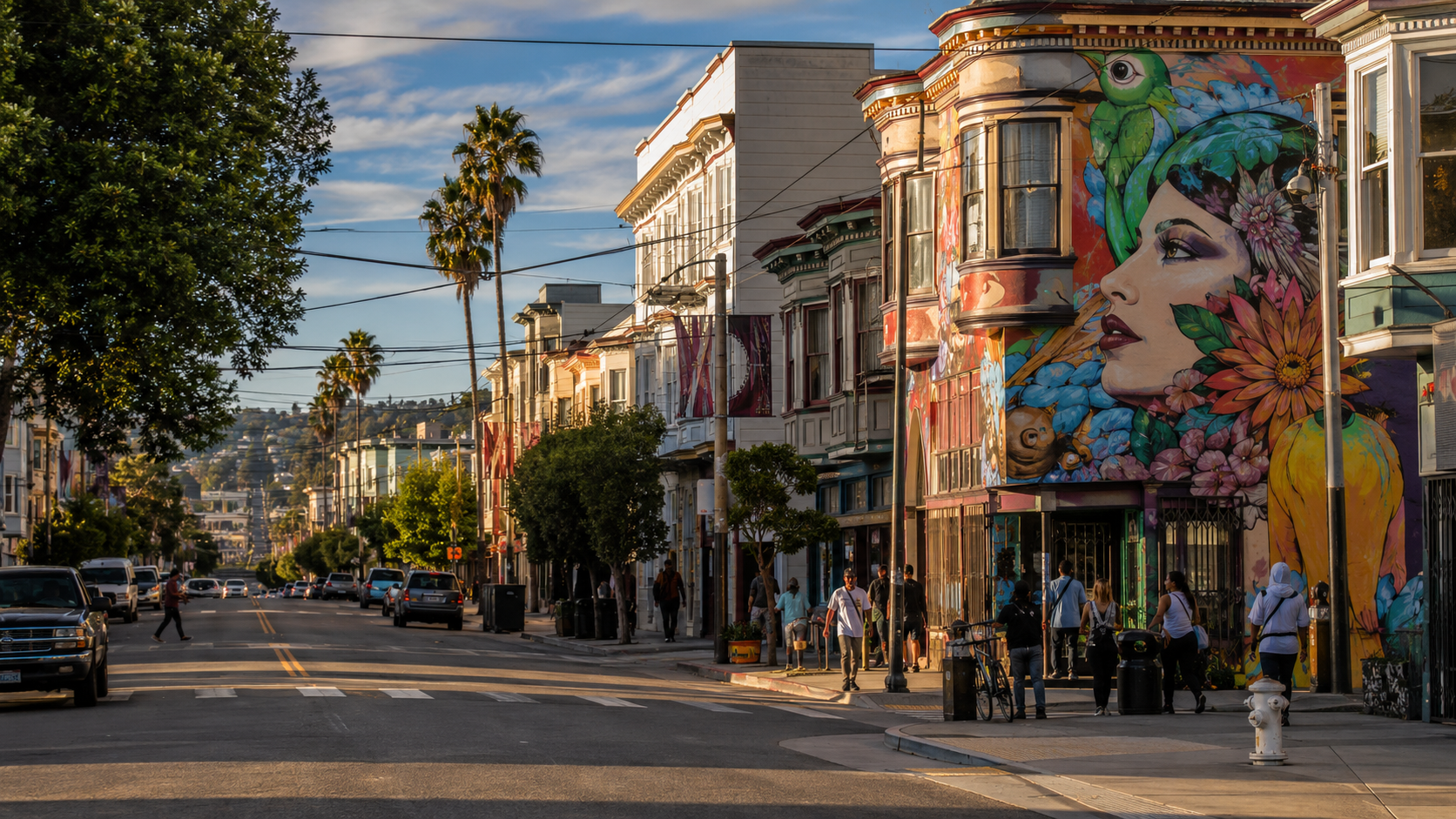
Los Angeles is working on a significant urban renewal project focused on MacArthur Park, which has become a symbol of urban decay with persistent problems including drug addiction, crime, and homelessness. According to CalMatters Housing, the city is testing whether a combination of police enforcement, community involvement, social services, and thoughtful urban design can truly transform a distressed neighborhood. The Westlake area where the park sits is one of the most densely populated communities west of the Mississippi and home to many immigrant families who deserve access to safe public space.
The city has already made some progress over the past year. Police patrols have been increased along Alvarado Street on the park's eastern edge, disrupting drug sales, while overdose response teams and social workers have been dispatched to help people struggling with addiction. The result is that the park feels noticeably safer and cleaner than it was a year ago, though significant challenges remain.
To test a bold new approach, the city temporarily closed Wilshire Boulevard, a major street that cuts the park in half, to vehicle traffic during a July weekend. This let residents experience the park as one continuous space instead of being interrupted by a wide boulevard that forces people to use dark, intimidating pedestrian tunnels to cross. The experiment drew substantial crowds and allowed families, vendors, and children to enjoy the park together in ways they couldn't before.
The city is now moving forward with several physical changes based on what's working. Instead of using unsightly chain-link fences to block illegal vendors and drug dealers, the city installed colored concrete bollards that serve the same function without creating eyesores or becoming trash receptacles. Looking ahead to the fall, planners are designing a wrought iron fence to encircle the park and control nighttime access, though some residents worry this sends a message of exclusion rather than welcoming improvement.
The most significant next step would be permanently rerouting Wilshire Boulevard, which a recent study recommended. This major undertaking is now entering an environmental review phase with community input, and initial feedback has been overwhelmingly positive. The theory driving all these efforts is that physical improvements to how the park feels and functions might create lasting effects on the social conditions that have plagued it.
What I am seeing locally in the Bay Area is that these lessons from Los Angeles are increasingly relevant to our own neighborhoods. We have similar challenges with public spaces becoming unsafe and unwelcoming, and we're learning that no single solution works in isolation. The combination of enforcement, services, and thoughtful design that LA is testing in MacArthur Park mirrors conversations I'm having with clients about how neighborhood conditions affect property values and quality of life. For buyers and sellers in Fremont and throughout the East Bay, understanding that cities are actively working on these urban challenges matters because it shows commitment to long-term community investment.