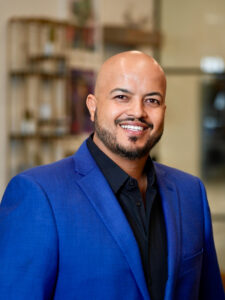
So I came across this piece from CalMatters Housing about Proposition 39, which is heading to California voters this November, and it's worth understanding what's being proposed here. A former state elections chief is making the case that the measure would strengthen California's voting system by introducing voter ID requirements. Here's what Prop. 39 would actually do: it requires people voting in person to show government-issued identification, or if they're voting by mail, to provide the last four digits of a government ID number. The state would be responsible for issuing free ID cards to anyone who needs one, so there's no cost barrier to voting.
The third piece of this proposal deals with voter rolls. According to the CalMatters article, the measure would require election officials to keep those rolls accurate and verify citizenship, which apparently isn't meaningfully required under current law. The supporter making the argument says this closes a gap that's been sitting quietly in California for years, where the voter file hasn't been regularly cleaned of duplicates, deceased voters, or people who shouldn't be registered in the first place.
Now here's something interesting that CalMatters reported. The measure qualified for the ballot with support from voters across the political spectrum back in the spring, but then in July the Attorney General's office changed the official ballot title from a neutral description to language saying it "prohibits citizens from voting" unless they show ID. The former elections chief calling this a striking characterization, pointing out that voter ID requirements exist in some form in thirty-six other states already.
The core argument being made is that public confidence in elections matters, and that having some security measures doesn't necessarily stop eligible voters from participating. The piece compares this to systems in other democracies and suggests that California's current system has fewer checks than it used to, while public trust in institutions is already low. The argument concludes that Prop. 39 isn't trying to solve every problem in American elections, but rather make California's system something voters can feel more confident about.
What I'm seeing locally in the Bay Area and East Bay is that voters are genuinely concerned about election integrity, and they're also concerned about access. This measure tries to thread that needle by adding verification while removing cost as a barrier. Whether it accomplishes what supporters say it will, or whether it creates obstacles some worry about, that's what California voters will be deciding on in November.