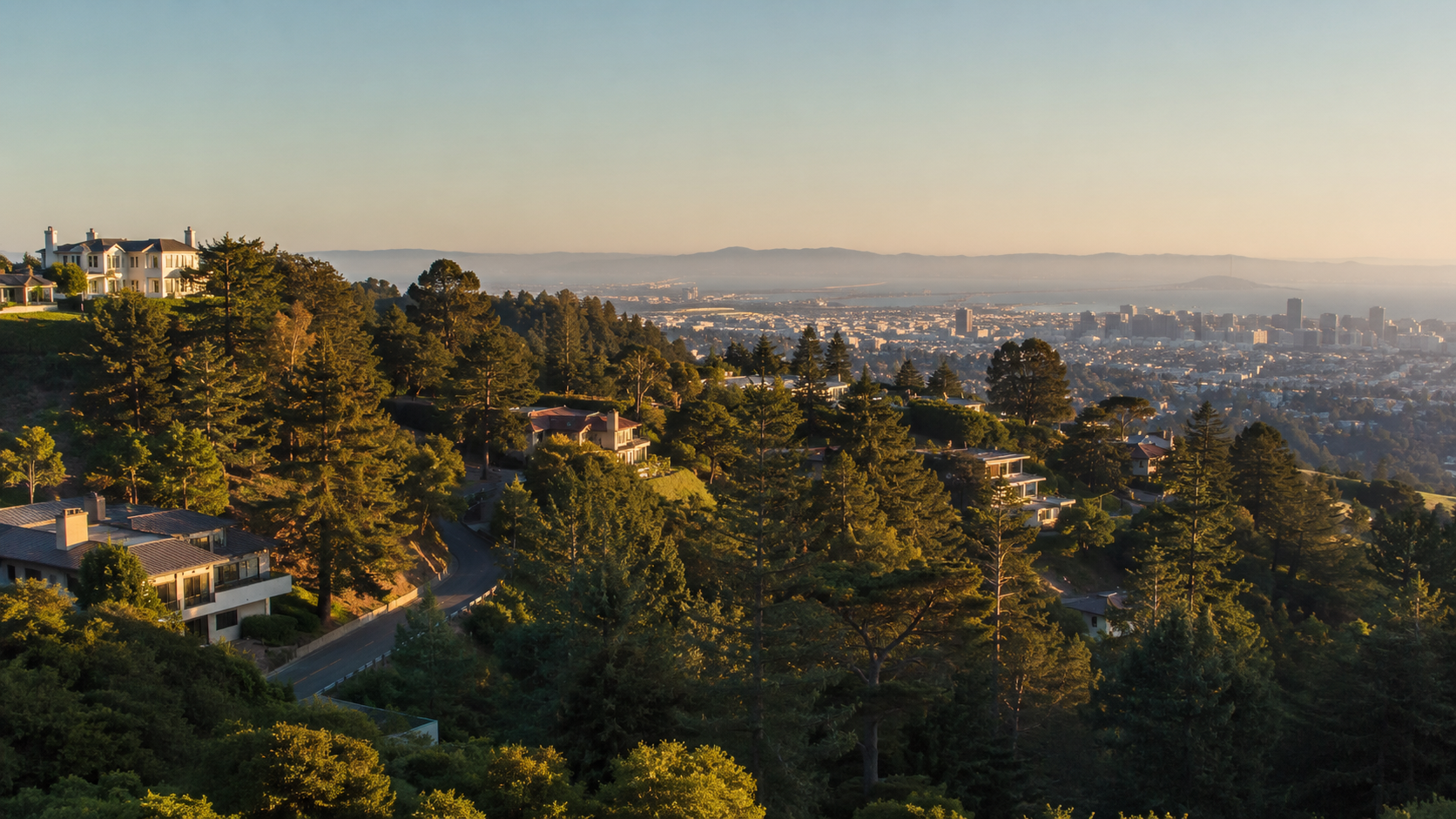
Look, I want to walk you through something interesting that Realtor.com Research just reported about the luxury market, because it's happening right here in our backyard and the story is more nuanced than the headlines suggest.
Nationally, the threshold for what's considered a luxury home dropped to about $1.25 million in July, marking the 28th consecutive month of annual decline. This pullback is accelerating compared to earlier in the year. Across all the different luxury tiers, we're seeing price softness, though it's relatively modest at the highest end. What's notable is that million-dollar listings now represent a smaller piece of the overall market pie than they did a year ago. It's not that fewer homes are selling at that price point, but rather that the pool of expensive homes is shrinking relative to everything else.
Here's the part that matters for timing: luxury homes are actually moving faster than they were a year ago, despite taking a bit longer to sell in the summer months compared to June. At the entry-level luxury tier, homes are selling about three days faster than they were twelve months back, and at the ultra-luxury level, that speed advantage grows to five days. This tells me there's real demand underneath the price numbers we're looking at.
When it comes to where prices are falling hardest, Austin is taking the biggest hit with luxury prices down nearly ten percent year over year, which is more than three times the national decline rate. Boston and San Francisco are tied for the second steepest drops at about eight and a half percent each, but they're arriving at those numbers from very different directions. What caught my attention is that in San Francisco, according to Realtor.com, million-dollar listings are down over twenty percent from a year ago, yet homes in that category are selling incredibly fast at just 37 days on market.
Here's where the real story emerges for the Bay Area. The research suggests that San Francisco and San Jose are still classified as sellers' markets, homes are regularly selling above asking price, and million-dollar properties are moving at nearly double the national pace. The research indicates that California markets, including San Francisco, San Diego, San Jose, and Oxnard, are among the ten steepest price decliners nationally. But the analysis points to something specific: the AI boom in our region has concentrated enormous wealth in exactly the buyer pool competing at the luxury level, which means fewer homes are sitting on the market as they're snapped up quickly by well-capitalized buyers.
What I'm seeing locally in the Bay Area and East Bay is that these price declines don't signal a market in distress the way they might elsewhere. Instead, they reflect a market that's clearing inventory fast because wealth is concentrated and concentrated wealth is aggressive in this segment. The drop in the dollar threshold and the shrinking inventory of million-dollar homes aren't signs of softening demand but rather signs that this tier of the market is working exactly as it should for sellers and serious buyers in a region where capital is flowing in from technology and AI development.