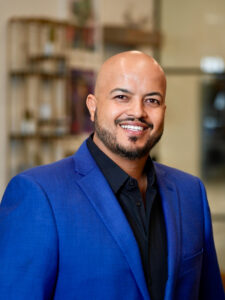
According to HousingWire, Vishal Garg, the founder of Better Home & Finance Holding Co., has secured support from shareholders controlling a majority voting stake in the company. He's using this support to push for significant changes at Better, and he's retained legal counsel to help pursue his agenda. If the board doesn't agree to his demands, Garg has the ability to call a special shareholder meeting to force the issue.
Garg's timing is striking because this move comes just ten days after Daniel Lewis was announced as the new interim CEO, taking over from Garg. At that same time, Better released its second quarter financial results, showing the company is still losing money despite years of restructuring efforts. The company had previously expected to reach profitability by the end of the third quarter but is now posting adjusted EBITDA losses again.
Garg's proposal includes some significant personal commitments if he regains control. He's proposing to work for a salary of just one dollar until the company becomes profitable. He's also pledging to repurchase thirty million dollars of the company's own stock, with ten million of that happening within the first five trading days. Beyond these personal measures, his plan calls for removing most of the current board members, keeping only himself, Michael Farello, and Hugh Frater.
Looking at the operational side, Gark points out that Better has actually made real progress on key metrics. Since the beginning of 2024, both revenue and the volume of funded loans have more than doubled. He also highlights that Better has dramatically reduced what it costs to originate a loan by expanding its Tinman AI platform. The company is planning to sell its U.K. banking business, which should bring in about seventy four million dollars in gross proceeds.
Interestingly, Ryan Grant, who runs NEO Home Loans powered by Better, downplayed the significance of this leadership struggle. According to HousingWire, Grant called the situation "noise" and said the focus needs to stay on executing the company's operational plan to reach profitability. He suggested that the underlying strategy matters more than who sits in the CEO chair.
What I am seeing locally here in the Bay Area and broader East Bay market is that mortgage lenders continue to feel real pressure to prove they can operate efficiently and profitably. When you've got a publicly traded company like Better dealing with these kinds of internal conflicts while still losing money, it reminds all of us in the business that scale and technology alone don't guarantee success. Borrowers are going to care about reliability, rates, and service regardless of what's happening in the boardroom.