Look, I came across a piece from CalMatters Housing about Governor Newsom's proposal to help California deal with the massive costs of wildfires, and it got me thinking about what's happening in our own backyard. The plan is designed to reduce what utility companies have to pay out after fires happen, which is sparking some real debate about who benefits and who gets left behind.
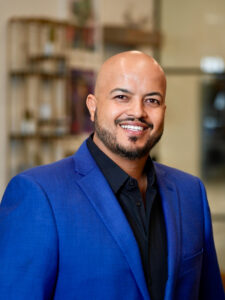
According to CalMatters Housing, the article features Joe Denham, a survivor of the Creek Fire back in 2020 who's involved in local conservation and school board work in the Sierra region. Denham describes how that fire burned through thousands of acres and forced families to evacuate with almost nothing. In the years after, his community has been dealing with the slow, painful process of rebuilding while insurance coverage either disappeared or became too expensive for people to afford.
What really struck me about Denham's perspective is how he's laying out the real problem. It's not just the physical damage from wildfires. It's what happens next. Families who survived the fire got pushed onto California's FAIR Plan, which is basically insurance of last resort and it's pricey for limited coverage. Then when they tried to rebuild, they got caught in years of legal battles and disputes where attorneys and outside investors took cuts before victims saw any settlement money. The system, he's arguing, wasn't built to actually help people recover.
Denham supports Newsom's reforms because he believes they would prioritize getting money to victims first, rather than letting it get tied up with hedge funds, trial lawyers, and insurance companies who've made money off the disaster. He's pushing for three things: real investment in preventing fires from happening in the first place, fixing the insurance market so coverage is actually affordable and available when people need it, and completely overhauling the recovery process to put victims at the center.
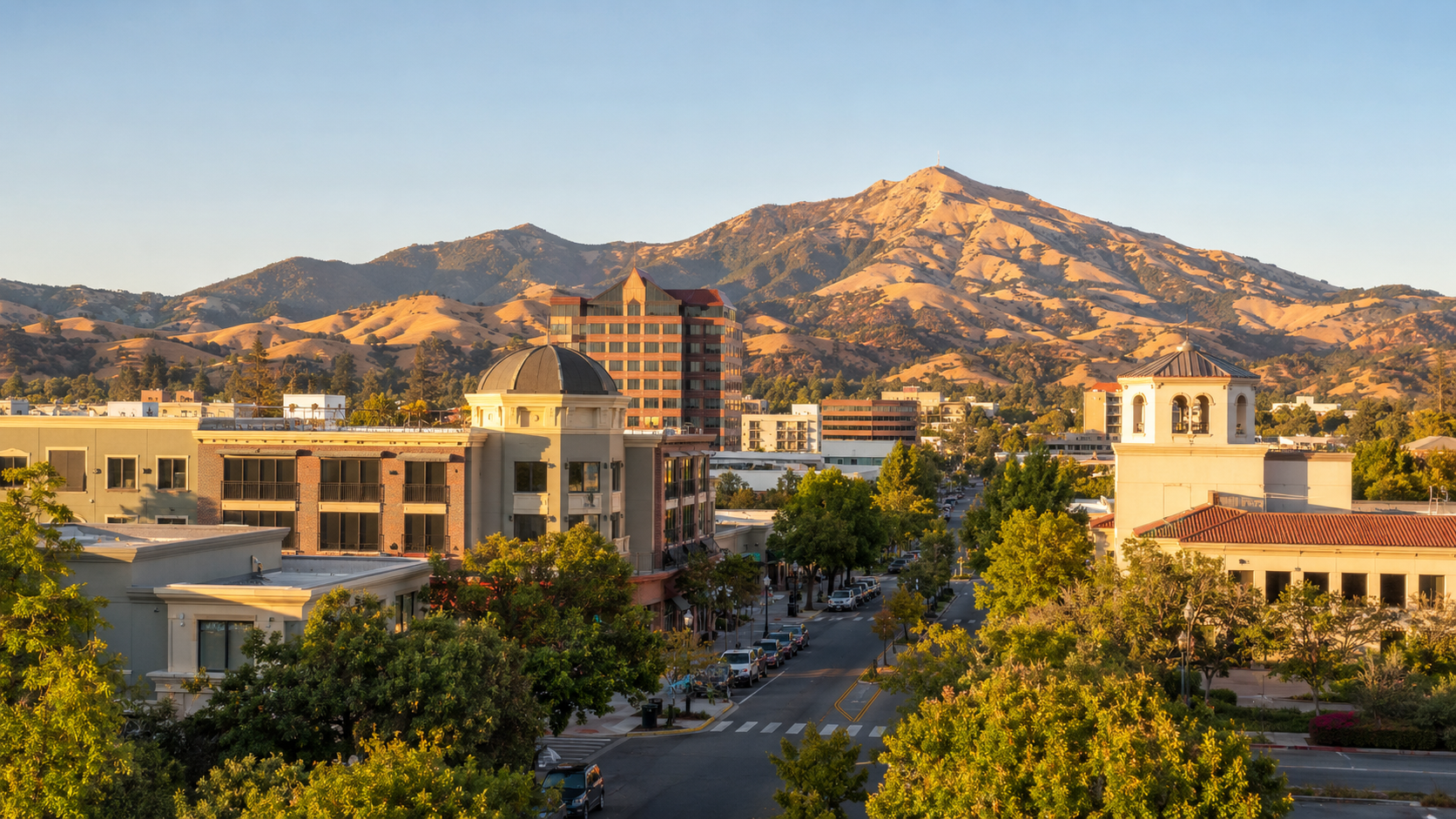
What I am seeing locally is that wildfire risk is reshaping how people think about property ownership across the East Bay and into the foothills. When families can't get reasonable insurance or end up spending years just trying to get paid what they're owed after a disaster, they vote with their feet and move away. That affects property values, local businesses, and entire community structures. The proposal Denham's backing addresses something real that impacts not just wildfire survivors, but the whole market and economy of regions that face this risk.