I was reading through CalMatters Housing's piece on Los Angeles and its transit system ahead of the Olympics, and it got me thinking about how infrastructure really shapes a city's future. The story walks through how LA, a place famous for traffic and car culture, has quietly been building out a much more serious public transit network over the past couple of decades, and now it's going to get tested on the world stage in 2028.
According to CalMatters Housing, the transformation really traces back to former LA Mayor Antonio Villaraigosa, who served from 2005 to 2013. He wasn't particularly focused on transit when he took office, but he came to see public transportation as a way to connect the sprawling city. He pushed through a sales tax measure that created funding for the system, and then he got creative with federal financing by working with members of Congress to create new funding mechanisms. He also managed to overcome some federal obstacles around drilling through areas with methane deposits, which had stalled construction for years.
The results have been substantial. The Gold Line Extension began in 2009, the Crenshaw Line opened in 2022 serving South Los Angeles, and a long-delayed Wilshire Boulevard section finally opened this spring. Last year, the Regional Connector opened up connections that let riders travel from Azusa to Long Beach and across East to West Los Angeles. According to the reporting, that Wilshire project alone took 65 years to complete and was called a landmark achievement when it finally opened.
The system got its first real test with the FIFA World Cup this year, and CalMatters Housing reports it performed well. Ridership spiked by 2.4 million riders in June compared to the previous year, with particularly heavy use around stadium venues, and the transit agency reported no security incidents. However, the outlet notes that the Olympics in 2028 will be a much bigger challenge, with 16 days of events spread across dozens of venues throughout the region and visitors coming from all over the world.
The reporting also notes that transit ridership in LA dropped during COVID and has struggled to recover, with some riders driven away by immigration enforcement actions and ongoing concerns about safety incidents. CalMatters Housing indicates Metro still needs to acquire additional buses and complete some other upgrades before the Olympics arrive.
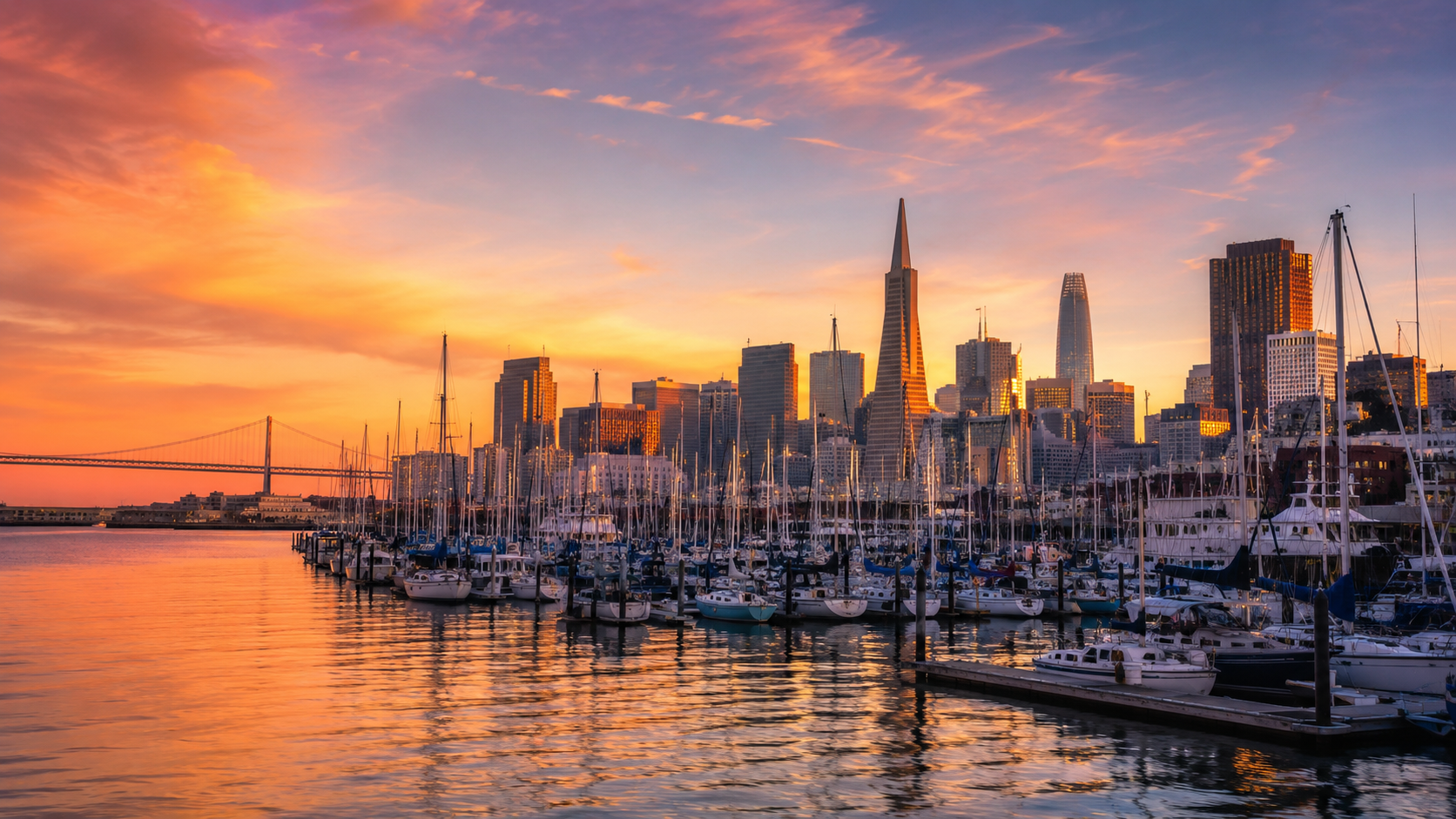
What I am seeing locally here in the Bay Area is that every region wrestles with these same questions about transit, density, and how to move people efficiently. The LA story is instructive because it shows that infrastructure investment takes decades and requires political persistence, but it does eventually yield results. We're always debating similar issues in the East Bay and throughout the Bay Area about whether our transit systems adequately serve growth, and pieces like this remind me that these are long-term bets on a region's future.
