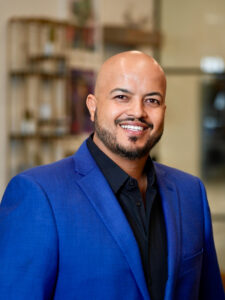
Look, I came across a piece from CalMatters Housing that really caught my attention because it speaks to something we all notice here in California every election cycle. Don Wagner, who's served in local and state government and is now running for Secretary of State, wrote about why our state takes so long to count ballots and what could actually be done about it.
Here's the thing Wagner points out: California has all the technology in the world. We're the home of artificial intelligence, smartphones, and companies that process billions of transactions daily. Yet we took from June into July just to officially certify our primary election results. The issue isn't that our system is broken or fraudulent. It's that our laws basically require counties to run two separate election systems at once. Counties have up to thirty days after Election Day to count, audit and certify results, and mail-in ballots can arrive for a full week after voting ends. Every single envelope signature has to be verified before ballots are even opened.
Wagner makes a straightforward case that speed and accuracy aren't opposites. He points to Florida as an example, where officials can start processing mail ballots weeks before Election Day, which is why they often have results within hours while we're still counting weeks later. According to CalMatters, Wagner is proposing three specific changes: first, let counties start verifying and processing mail-in ballots before Election Day like twenty-eight other states already do. Second, fund the staff and equipment counties need to work faster, noting that the state allocated twenty-nine million dollars but that experts say fifty-five million would be more appropriate. Third, set a mandatory deadline requiring counties to publish results covering most ballots within seventy-two hours of Election Day.
The key thing is none of these ideas would take away anyone's right to vote. Every ballot postmarked by Election Day would still count, even if it arrives five days later, as the Supreme Court has ruled. The only thing that would change is how long voters have to wait to know who actually won.
What I am seeing locally here in the Bay Area and throughout the East Bay is that people want confidence in our elections and they want answers promptly. Whether you're buying property in Fremont or anywhere else in the region, folks are paying attention to how our government functions, and that includes how we handle something as fundamental as voting. When it takes nearly six weeks to know the result of an election, it's natural for people to start asking questions. Whether you agree with Wagner's solutions or not, he's identified a real process issue that doesn't require sacrificing security to fix.