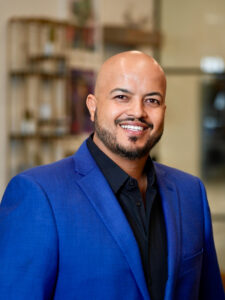
According to CalMatters Housing, Joy Chen, executive director of Every Fire Survivor's Network and former deputy LA deputy mayor, is calling out what she describes as a coordinated effort to shield California's electric utilities from accountability for catastrophic wildfires. Chen, herself an Eaton Fire survivor representing over ten thousand people affected by the disaster, says a group called Wildfire Victims First that's been mailing Californians and running advertisements is actually funded by the state's three major for-profit electric monopolies and does not represent genuine survivors.
The situation Chen describes is dire for actual survivors. More than a year and a half after the Eaton Fire, two out of three people displaced by it remain without permanent housing. Many survivors have exhausted their retirement savings and maxed out credit cards, with over half facing the loss of their temporary housing in the near future. Rather than prioritizing these families, Chen says Governor Newsom is working on what amounts to a utility rescue package being negotiated behind closed doors before the Legislature returns in August.
Chen points to what happened last September as a cautionary tale. In the final two days of the legislative session, a bill originally designed to protect wildfire survivors was gutted and rewritten as a massive utility protection measure. The swap was so rushed that the Legislature had to extend its session to meet constitutional requirements, and some lawmakers admitted they didn't fully understand what they were voting on. The result was a California Public Utilities Commission approval of a 1.1 billion dollar rate increase plus nearly a billion in retroactive payments, all coming from California families and largely benefiting Southern California Edison, whose equipment was being investigated as the likely cause of the Eaton Fire that killed nineteen people.
The numbers that followed paint a picture that troubles Chen deeply. Two months after receiving this protection, Edison raised its shareholder dividend for the twenty-second year in a row, bringing it to nearly one point three billion dollars. Edison's profits more than tripled in 2025, and the CEO's compensation jumped twenty percent to 16.5 million dollars. Meanwhile, the three largest shareholders like BlackRock, Vanguard, and State Street benefited significantly. Chen argues this wasn't bankruptcy prevention but rather a wealth transfer from working Californians to Wall Street interests.
Chen's advocacy has grown into a nationwide movement. Organizations including the NAACP, the National Day Laborer Organizing Network representing seventy immigrant rights groups, and Public Citizen have launched Dear Newsom dot org calling for the governor to put survivors ahead of corporate interests. The coalition's message is straightforward: no more closed-door utility bailouts before survivors are made whole, and if the state believes its proposals are sound policy, it should defend them openly through normal legislative processes rather than through last-minute language inserted days before deadlines.
What I'm seeing here in the Bay Area and throughout the East Bay is a fundamental tension that affects all of us as residents and investors. When utility companies face consequences for infrastructure failures that spark devastating fires, we all have a stake in how those consequences are handled. The question isn't whether utilities need stability, it's whether that stability should come at the direct expense of families who lost everything while executives and major shareholders simultaneously reach record compensation levels. For buyers and sellers navigating this market, these policy decisions shape insurance costs, property values, and community recovery prospects in ways that matter deeply to our region's future.