I was reading through the latest reporting from CalMatters Housing on California's high-speed rail project, and there's a troubling story here about how little legislative progress the rail authority actually made this year despite their stated needs. The High-Speed Rail Authority came into the legislative session with several proposals they said were essential to keeping the train project moving, but according to the reporting, only one of those ideas made it into law.
The authority's chief executive made it pretty clear back in August that they needed state lawmakers to step up and help them cut through bureaucratic delays and find new revenue streams. He laid out a number of concepts that would have helped the agency move faster on things like environmental reviews and utility relocations. But here's where it gets interesting: most of those proposals never even became formal bills that legislators could vote on. The authority spokesperson told CalMatters that wasn't really their job to draft legislation, and suggested lawmakers could develop these ideas on their own if they wanted to.
Some of those proposed solutions faced real pushback from local cities and counties. One idea would have let the rail authority collect sales and property taxes in areas near the rail line, which had mayors in the Central Valley and Southern California concerned that it would take money away from local government services. Beyond the legislative struggles though, there's a bigger picture here about the project itself. What started as an ambitious 2008 plan that was supposed to be done by 2020 is now estimated to cost somewhere between 126 billion and 231 billion dollars, with completion now targeted for 2040. The project gets about a billion dollars a year from California's carbon market funds, but even that might be at risk depending on how climate policies shake out.
The business plan for the Merced-to-Bakersfield segment relies pretty heavily on the assumption that state lawmakers will quickly pass the authority's legislative priorities, according to a review by the Office of Inspector General. That's a big bet to make when, as we just saw, most of those priorities didn't pass this year. On top of everything else, there's political uncertainty about whether the next governor will continue supporting the project at all, which adds another layer of unpredictability to the whole thing.
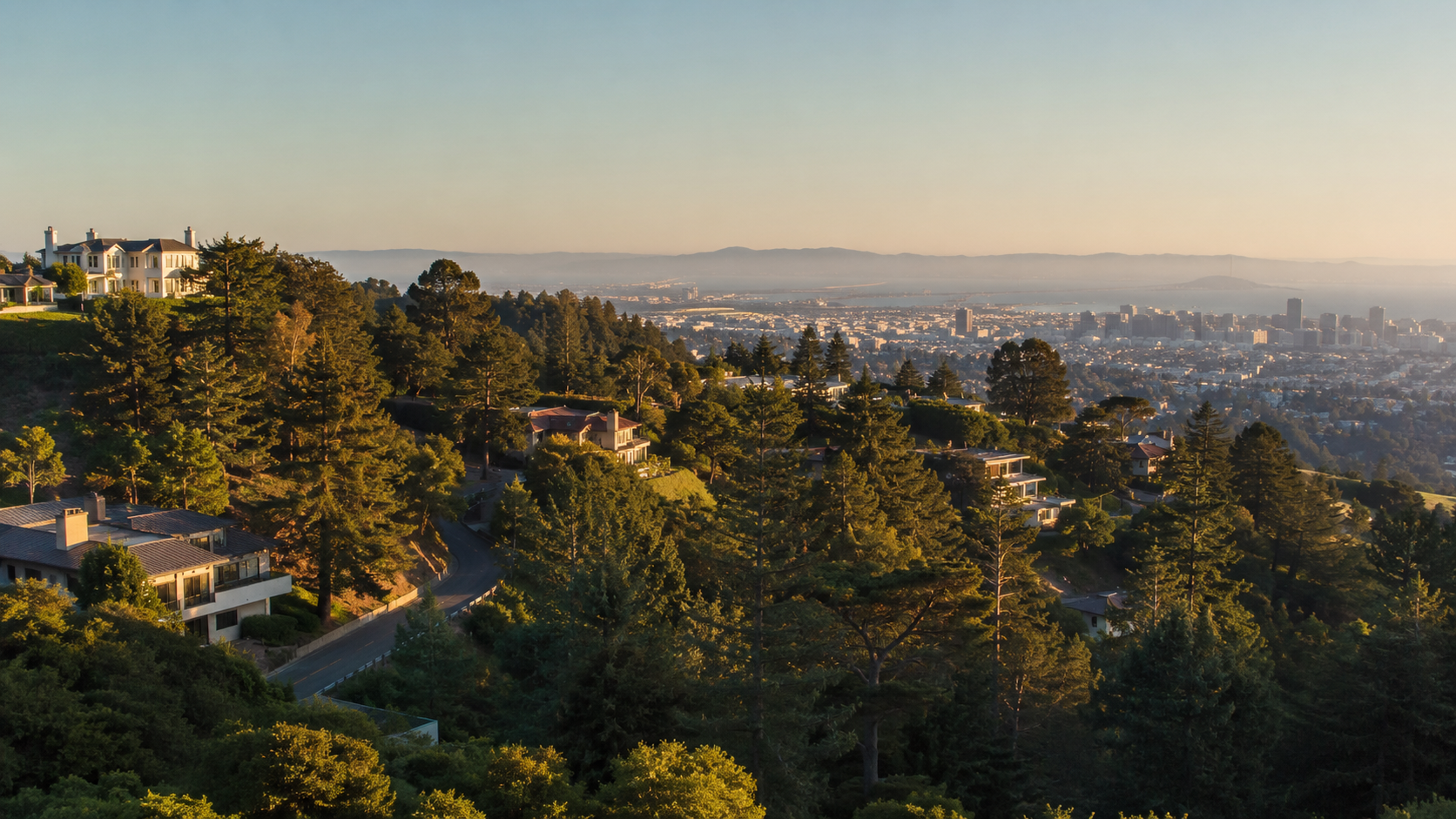
What I'm seeing locally here in the Bay Area is that this high-speed rail project has become almost a symbol of how hard it is to move infrastructure forward in California, even when there's supposedly support for it. For folks buying or selling in places like Fremont and across the East Bay, this matters because the project was supposed to eventually connect the region more seamlessly to the rest of the state. When projects get bogged down like this, it affects how people think about regional connectivity and property values tied to transportation hubs. My clients are always interested in what the future holds for transit access in their neighborhoods, and I'm being honest when I tell them that what we're seeing with high-speed rail is a master class in how political and financial realities can slow down even the biggest ambitions.
