According to HousingWire's analysis, cash buyers are pulling back from their pandemic-era dominance in the housing market. Cash purchases made up about 31.4% of all home sales in early 2026, down slightly from 32.3% a year before. What's more telling is that cash transactions are falling faster than the overall market, dropping by more than 11% year-over-year while total sales declined by about 8.5%.
The shift makes sense when you look at how the broader market is changing. Home price growth has slowed dramatically from where it was just a few years ago, and there's more inventory available for buyers to choose from. According to Hannah Jones, a senior economist quoted in the report, financed buyers now have real opportunities to compete where they couldn't before. She notes that cash still carries weight with sellers, but not necessarily because it wins bidding wars anymore. Instead, it gives sellers peace of mind that a deal will actually close without complications.
The story isn't uniform across the country, though. Some major markets are seeing cash buying actually increase rather than decrease. Pittsburgh saw a significant jump in cash share, and Austin is experiencing growth in both the proportion and total number of cash deals. When you look at individual states and metros, patterns emerge that tell you something about local economies. Places like Mississippi, Montana, and New Mexico have the highest cash buying rates, while expensive job centers like the San Francisco Bay Area, Seattle, and Washington D.C. have much lower percentages of cash deals.
Cash buying remains particularly strong at both ends of the price spectrum. The vast majority of homes under $100,000 sell for cash, which makes sense for investors and second-home buyers. At the luxury end, cash dominates too, with over 40% of homes above a million dollars selling without financing and most homes over two million purchased entirely in cash.
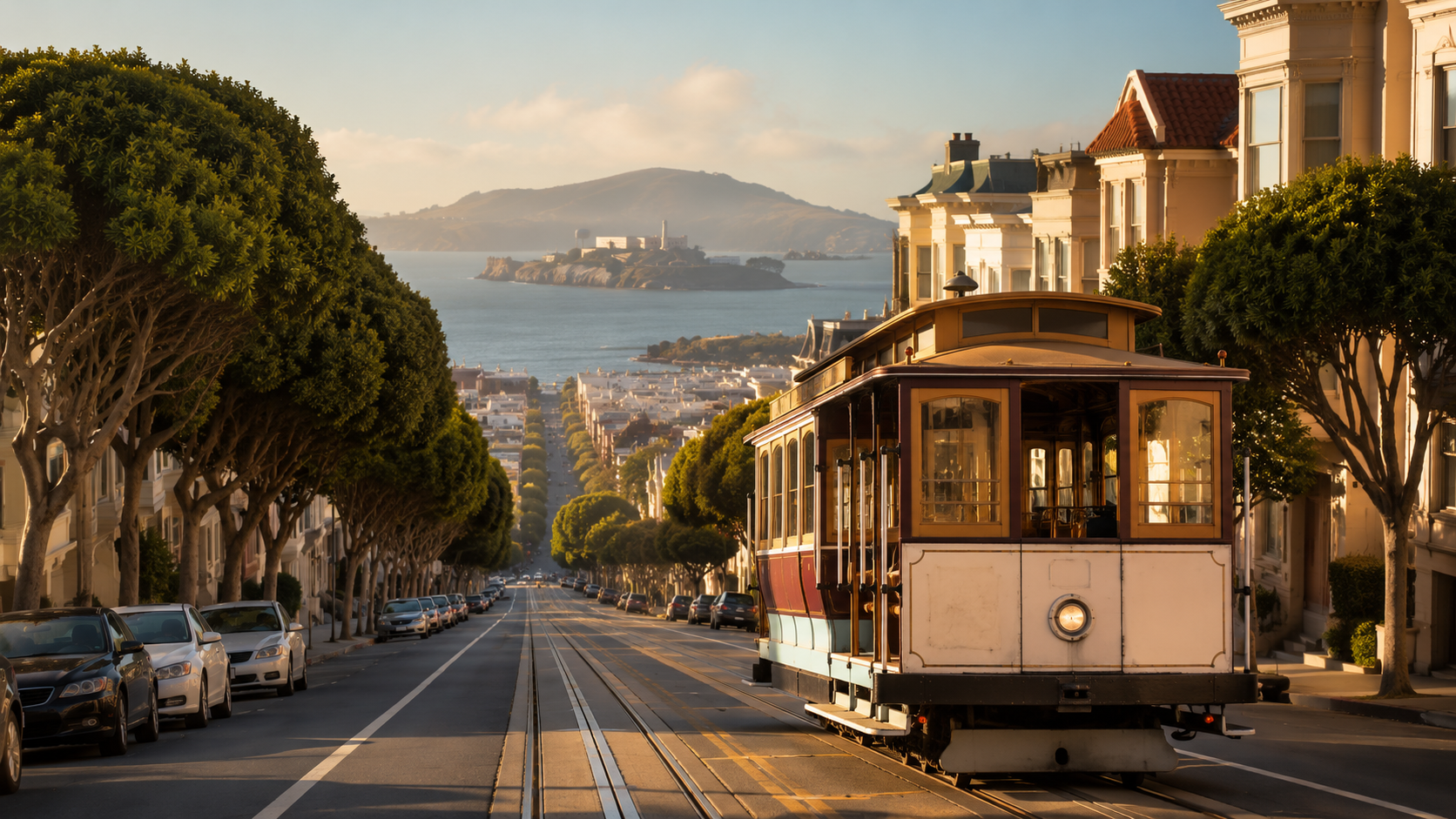
What I am seeing locally here in the Bay Area tells me we're in a different position than much of the country. San Jose's 20.2% cash share reflects what I hear from my clients every day, which is that most serious buyers in our market are working with financing because these homes remain expensive even as the market cools. We're not going to see the dramatic cash consolidation that's happening in lower-cost states, but the softening prices and increased inventory we're experiencing are definitely giving my financed buyers more negotiating room than they had a couple years ago.