Look, I want to walk you through something that's happening in California Republican politics that's worth understanding, especially if you're paying attention to how our state votes. According to CalMatters reporting by Nadia Lathan, there's a real tension playing out within the GOP right now about which direction the party should go.
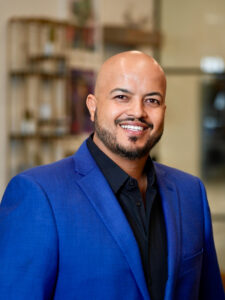
We've got this assemblymember from San Diego named Carl DeMaio who's basically decided the Republican Party should stop trying to appeal to moderate voters and instead double down on energizing the base with more conservative positions. DeMaio runs something called Reform California and his own political movement, and he's got a combative style that tends to divide people. During the primary season, his group actually backed different legislative candidates than the official California Republican Party did, which created enough friction that party officials sent him a cease and desist letter claiming he was misusing their brand.
But here's what actually happened on the ground: DeMaio's candidates won. Several of his picks for the California Legislature beat out the establishment Republican choices, including candidates in the San Diego area and over in the Central Valley. In one San Diego Senate race, DeMaio backed someone called a "fighter" named Kristie Bruce-Lane, who his PAC helped raise about $250,000 for. Her opponent, a low-key San Marcos city councilmember named Ed Musgrove, had way more money to work with and the backing of big-name Republicans like Darrell Issa, but Bruce-Lane still won the primary.
What I am seeing locally and across the Bay Area is that Republicans are making fundamental choices about who they want to be as a party, and those choices have real consequences for campaigns and voter engagement. When one faction of a party successfully challenges the establishment like this, it signals where the energy and momentum actually is, and that matters for how candidates position themselves going forward. For those of us in real estate and business who need to understand our communities, these political shifts tell us something important about what voters in different regions actually care about and respond to.