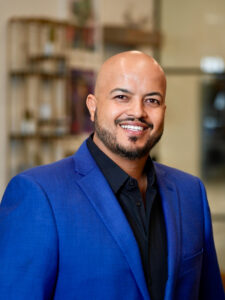
According to CalMatters Housing, California voters will face a decision this November on Proposition 44, which would require community health clinics to spend ninety percent of their revenue directly on patient care and give the state Attorney General power to oversee disputes. A physician leading the opposition argues the measure is poorly designed and will harm the very clinics it claims to help.
Dr. Brent Sugimoto, president-elect of the California Academy of Family Physicians, explains that Proposition 44 sets spending requirements so strict that the vast majority of community health clinics across the state cannot meet them. According to a study cited by the opposition, the financial penalties could reach into the billions of dollars in just the first year, draining resources that keep clinics operating and providing care to patients.
The real concern here is how the measure handles what clinics spend on. Under Proposition 44, clinics would face penalties for routine expenses like buying new medical equipment, upgrading technology systems, maintaining emergency preparedness, or building financial reserves. These aren't frivolous spending decisions, Sugimoto argues. They're investments that keep clinics functioning and accessible to the communities they serve.
Sugimoto also points out that healthcare in a community clinic extends far beyond the exam room. Transportation assistance, telemedicine options, and help enrolling patients in health insurance programs are all part of keeping people healthy. Penalizing clinics for these services could force them to eliminate the very supports that make care possible for vulnerable populations.
Perhaps most troubling to the measure's opponents is that Proposition 44 puts an elected politician, the state Attorney General, in the middle of healthcare decisions between clinics and patients. Sugimoto argues this removes healthcare decisions from the hands of medical professionals and gives control to someone with no clinical experience. He contends that letting politicians make these kinds of healthcare choices contradicts what the state learned about keeping government out of the provider-patient relationship.
What I am seeing locally is that our community health clinics are the backbone of Bay Area care, especially in East County Fremont and throughout the East Bay where so many residents depend on them. If a measure like this pushes these clinics toward closure or forces them to strip away essential services, we're not solving a healthcare problem. We're creating one that will hit our most vulnerable neighbors hardest.