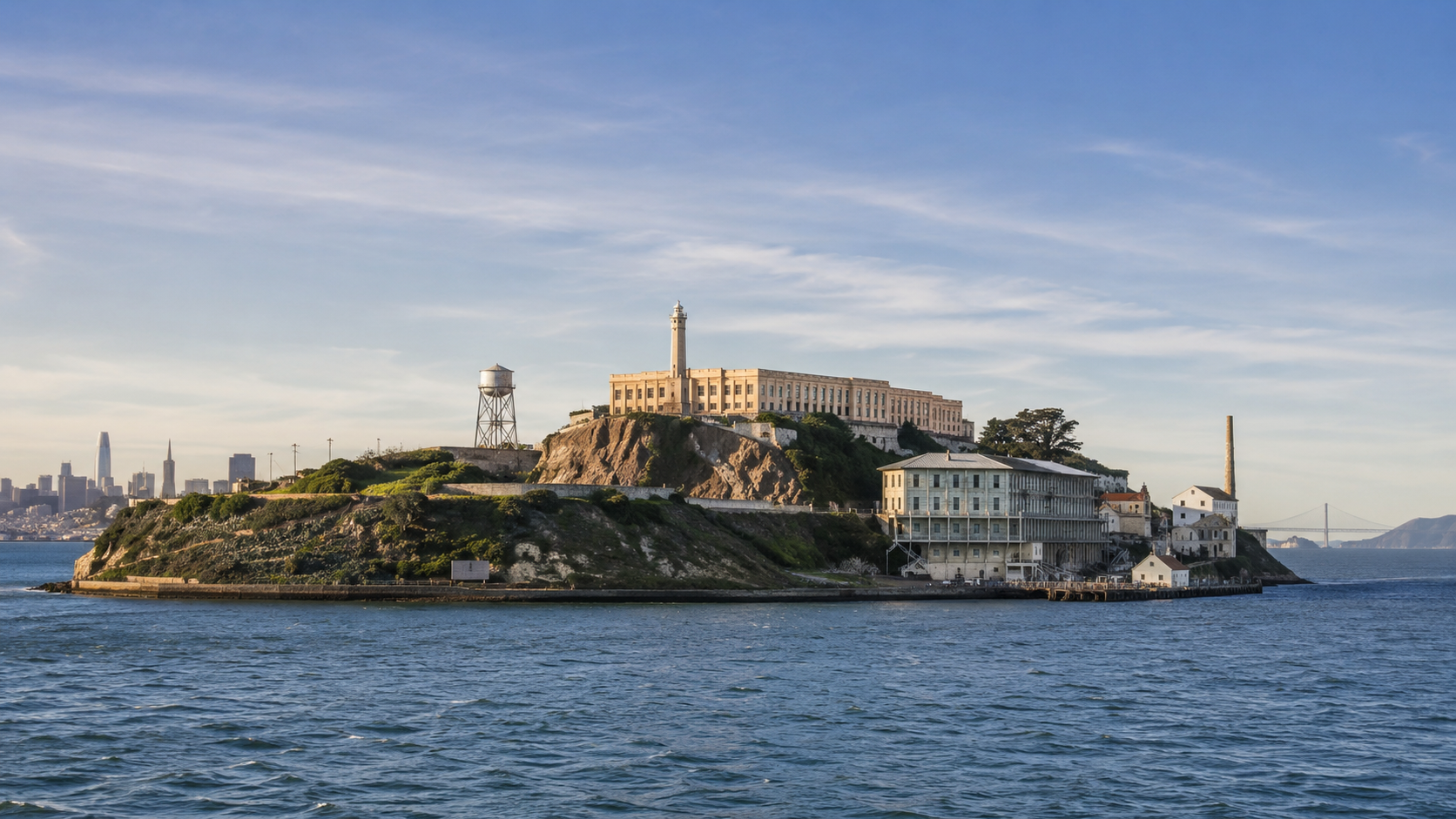
Thousands of people gathered on Alcatraz Island on Monday morning for a twice-yearly sunrise ceremony that celebrates Indigenous resilience and marks Indigenous Peoples Day, according to CalMatters Housing. The event draws attention to the struggles of Native communities and was held at the site where the Indians of All Tribes occupied the island for nineteen months between 1969 and 1971, an action that helped spark the broader Red Power movement. Organizers used the occasion to voice criticism about recent decisions by Governor Gavin Newsom, specifically his vetoes of several pieces of legislation intended to support California tribes.
The organizers took issue with Newsom's rejection of Assembly Bill 1881, which would have strengthened protections for tribal religious practices and sacred sites on state lands. Morning Star Gali, who heads the advocacy group Indigenous Justice and helped organize the event, noted that Native American women in California face ongoing struggles with erasure and invisibility. She spoke about her own experiences being removed from state parks while trying to gather medicine and pray at sacred waters. According to the reporting, sixty-two California tribes currently lack federal recognition, which limits their ability to prevent damage to culturally significant sites without additional state-level protections.
The governor also vetoed Assembly Bill 2218, which would have required state agencies to work with tribes to address water shortages. The bill would have established a mediation process through the Governor's Office of Tribal Affairs to resolve disputes between tribes and state water agencies over projects affecting tribal ancestral territories. Jackie Fielder, a San Francisco supervisor and member of the Three Affiliated Tribes of North Dakota, emphasized at the ceremony that protecting Native communities' access to clean water is essential to their survival.
Additionally, organizers criticized Newsom's veto of Senate Bill 891, which would have created a Missing and Murdered Indigenous Persons Justice Program within the California Department of Justice. In his veto message, the governor indicated that existing efforts made the legislation redundant. The International Indian Treaty Council, one of the groups hosting the ceremony, called the vetoes a shocking action, particularly given that Newsom had just signed legislation days earlier establishing a Day of Remembrance for Indian Boarding Schools on September 30th.
What I'm seeing locally here in the Bay Area is a real disconnect between the rhetoric of acknowledgment and the actual protection of tribal interests. The Ohlone people's homelands encompass much of what we now call the Bay Area, and yet without meaningful state support on water rights and sacred site protections, these communities remain vulnerable. For all of us working in real estate and development here, this is a conversation we need to have about honoring the lands we're building on and the people who have enduring connections to them.
