According to Redfin News, young Americans are leaving expensive coastal cities, but where they're heading depends on their generation and life stage. Gen Zers are moving to places like San Antonio, Austin, Washington D.C., and Nashville where they can find early-career opportunities and active social scenes. Millennials, who are now in their 30s and 40s, are gravitating toward cities like Houston, Las Vegas, and Atlanta where housing is more affordable and they have room to build families and buy homes.
What's interesting is that both generations are leaving New York and Los Angeles behind, but for somewhat different reasons. Gen Zers are chasing career prospects and vibrant communities, while millennials are prioritizing affordability and space. A Redfin economist explained it plainly: Gen Zers want to launch their careers and social lives, while millennials want their paychecks to stretch further and want to actually afford a home.
The data shows San Antonio is the top destination for Gen Zers, followed by Washington D.C., Austin, Nashville, and Dallas. Three of those five are in Texas, and interestingly, places like Nashville are seeing major companies like Amazon and Apple expand their operations there, creating fresh opportunities in tech, healthcare, and entertainment. For young professionals coming from expensive cities like New York or California, these destinations offer something appealing: good jobs with a lower cost of living.
For millennials, Houston leads as the most popular destination, with Dallas, Baltimore, Las Vegas, and Atlanta rounding out the top five. All of these places have median home prices under $450,000, which is a stark difference from coastal markets. Meanwhile, New York is losing residents faster than anywhere else for both generations, and the data shows San Francisco is also in the top five places millennials are leaving.
Perhaps the most telling pattern is that most of these moves are relatively short journeys between neighboring metros rather than massive cross-country relocations. Gen Zers are moving from Los Angeles to Riverside, from New York to Philadelphia, and from Minneapolis to St. Cloud. This suggests young people aren't just chasing the cheapest option; they're looking for incremental improvements in opportunity or affordability while keeping their existing networks intact.
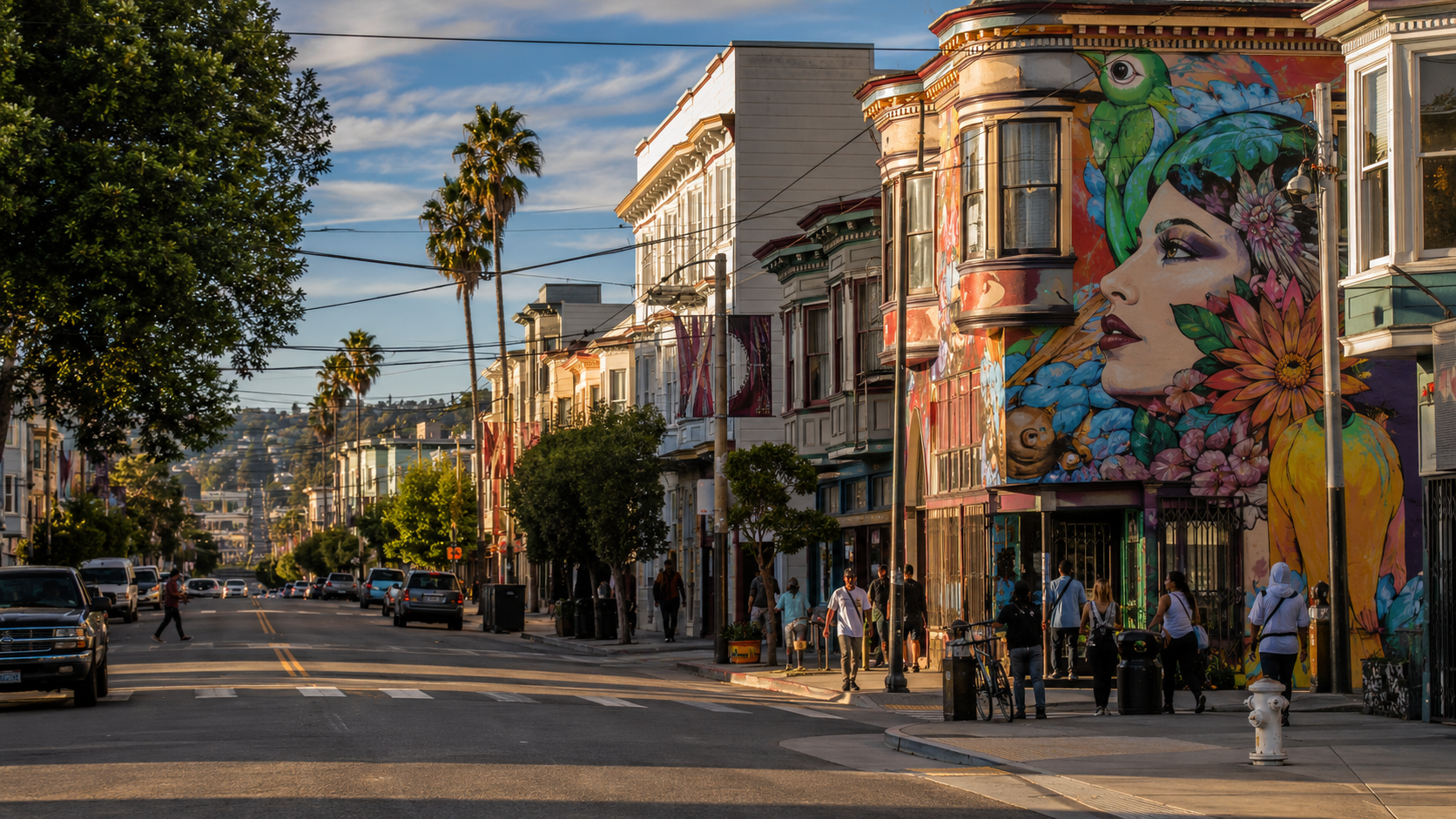
What I am seeing locally here in the Bay Area and across the East Bay is that this migration trend should matter to us. If San Francisco and the Bay Area continue losing both younger renters and established families to places with better housing affordability, we're going to feel that shift in our market dynamics. The good news is that millennials still have jobs here, but the challenge is real when a modest home in the Inland Empire or Texas costs a fraction of what it does here. For anyone thinking about their next move, whether buying or selling, understanding these generational patterns helps explain what's happening to our local market.
